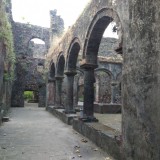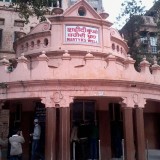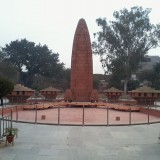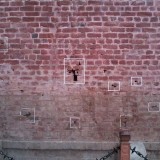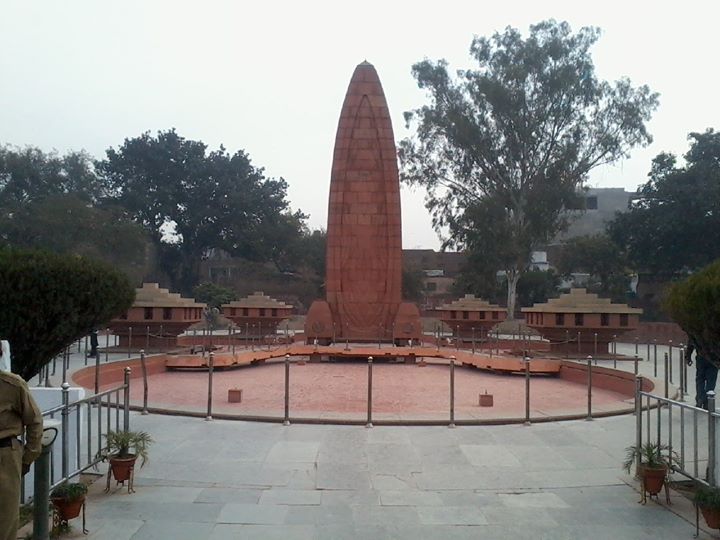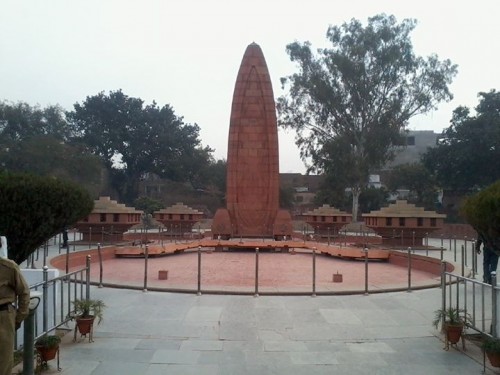
The Jallianwala Bagh massacre, also known as the Amritsar massacre, took place on 13 April 1919 when Acting Brigadier-General Reginald Dyer ordered troops of the British Indian Army to fire their rifles into a crowd of unarmed civilians in Jallianwala Bagh, Amritsar, Punjab, killing at least 400, including 41 children, one only six weeks old. Over 1,000 were injured.
The Jallianwalla Bagh is a public garden of about 6.27 acres (2.54 ha), walled on all sides, with only five narrow entrances. Dyer blocked the main exits, and the troops continue to fire into the fleeing civilians until their ammunition was almost exhausted. He later declared his purpose was not to dispel the rally, but to "punish the Indians". He did not stay to count the dead, much less offer aid, and his curfew condemned many of the wounded to die overnight where they lay.
To use all the features of this site you must be logged in. If you don't have an account you can sign up right now.